

I learned pretty quickly that there are hundreds of types of honey — way more than I ever want to memorize. So instead of going down that rabbit hole, I wanted to share a few cool facts about honey, focusing on the two I’m most familiar with: clover and manuka.
A little knowledge really goes a long way. I can admit that before knowing this, I tossed more than one container of honey into the trash just because it looked different than what I thought was normal.
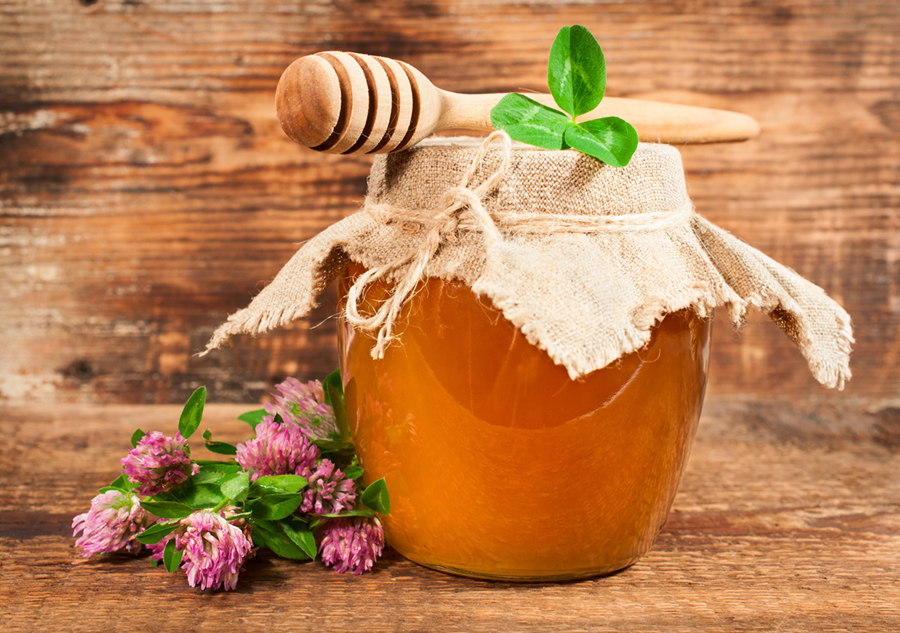
Clover: The Honey Most of Us Know Best
Clover honey is the one most of us grew up with. It’s mild, light, and dependable. It’s probably the honey that sat in your kitchen for years — and nobody thought twice about it. You use it for cooking, baking, tea, coffee… whatever needs a little sweetness. It’s just one of those staples you keep around.
Manuka Honey: A Little More Serious, and That’s Okay
Manuka honey is a little more serious. It’s thicker, darker, and not as sweet — and that’s kind of the point. People usually reach for it for its healing qualities, whether that’s immune support, skin care, or those times when you’re just not feeling your best. It’s less about flavor and more about function. If clover honey is everyday comfort, manuka honey is the one you keep around just in case.
Honey is often called liquid energy. Honey gives you a gentle boost without feeling harsh or artificial. It’s simple, natural energy — steady instead of jittery. Maybe that’s why it’s been around forever. It works, and it doesn’t need to try very hard.
Honey has so many beautiful qualities, but like most good things, it’s best enjoyed in balance. It’s natural and nourishing, but it’s still a sugar — so a little goes a long way. And if you ever have questions about how much honey makes sense for you, the best advice is always professional, ask your doctor.
These cool facts about honey are a reminder that something simple can still be incredibly meaningful. Checking in with your doctor is the easiest way to know what works best for your body.
dragonflies & honey
simple goods for the spirit.